Scottish homes rediscover the warmth of wood
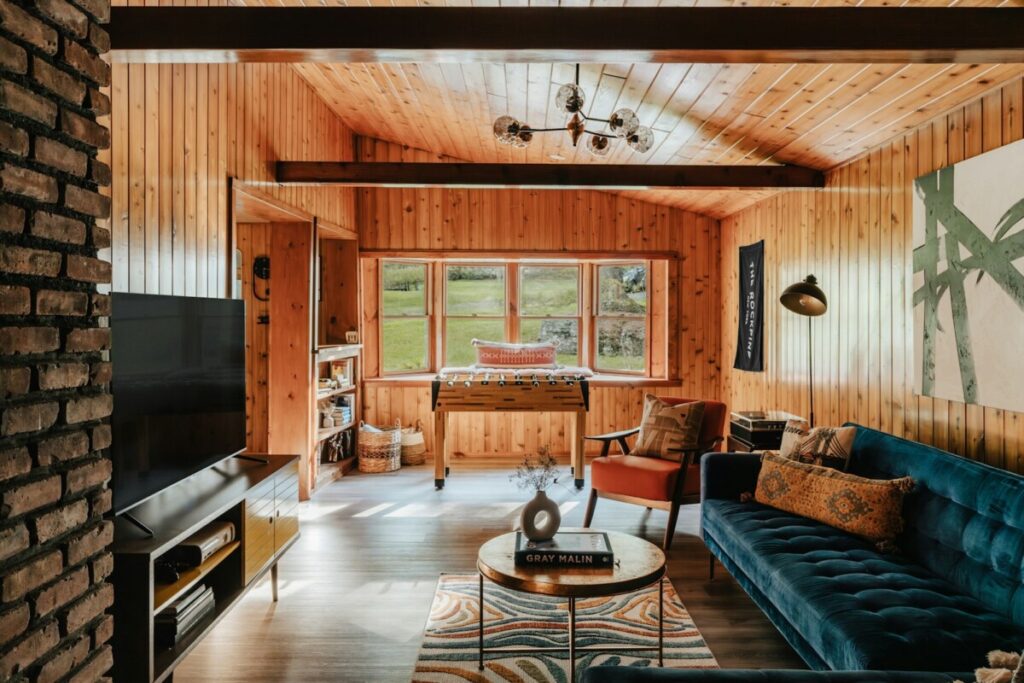
Across Scotland, homeowners are rethinking how they use their walls. After years dominated by grey paint and minimalism, a quieter design shift is taking place: a return to texture, warmth and tactility. At centrum of this movement stands a simple yet transformative solution that once belonged mainly in country lodges and grand stairwells: wood wall paneling.
The renewed interest does not come from nostalgia alone. Rising energy costs, smaller urban flats and a growing desire for natural materials all push Scots to look for interiors that feel both comforting and practical. Instead of tearing down walls or embarking on full renovations, many choose to upgrade the surfaces they already have. A plain plaster wall suddenly becomes a feature, a sound buffer and a subtle nod to Scotland’s own timber heritage.
In modern homes from Leith to Inverness, wood wall paneling no longer means dark, heavy boards. Slim acoustic slats, light oak tones and vertical lines replace the gloomy dens of the past. The result is a look that suits both a Victorian tenement and a new‑build in a suburban estate. Designers highlight that panels should frame a room, not overpower it: one accent wall behind a sofa, a headboard effect in the bedroom or a wrapped hallway that guides you from entrance to living space.
From draughty stone to cosy cocoon
Scottish architecture brings challenges that many newer building styles never meet. Thick stone walls hold history but also cold, echo and tricky corners. Traditional remedies such as lining the walls with bookshelves or heavy curtains still work, but they eat up space and block light. Contemporary panel systems offer a slimmer, more flexible answer.
By adding a timber layer, homeowners introduce an extra barrier against draughts and a surface that absorbs rather than reflects sound. In open‑plan living rooms where cooking, working and relaxing now compete, this matters. A panelled TV wall softens echoes from hard floors, while a clad dining nook helps conversations feel more intimate, even when the rest of the space stays airy.
In older properties, panels also hide scars from decades of repairs. Uneven plaster, cable routes and patched fireplaces disappear behind clean lines. This avoids the mess of full replastering and lets owners invest instead in quality finishes they touch every day.
A modern take on Scottish character
Scotland carries a long story of working with timber, from Highland crofts to fishing villages. Today’s wood wall paneling gives that tradition a fresh, urban twist. Rather than carved friezes or ornate mouldings, the emphasis lies on rhythm and grain. Narrow slats set close together create shadows that change through the day as the light moves, bringing a subtle sense of motion to otherwise static walls.
Colour choices shape the mood. Pale ash or white‑oiled oak brightens north‑facing rooms that receive limited sunlight, a common issue in coastal towns. Warmer walnut tones suit snug living rooms where families gather on dark winter afternoons. Some homeowners even mix vertical panels in the living area with horizontal ones in corridors, lending each zone its own identity without breaking the overall flow.
For those cautious about committing fully, half‑height panelling offers a middle ground. A timber lower section topped with paint protects busy walls in hallways or kitchens while keeping the upper part light and flexible. This approach mirrors traditional dado rails but feels cleaner and more contemporary.
Practical benefits behind the aesthetics
Beyond the visual appeal, there are practical reasons why wood‑clad walls gain ground in Scottish homes. Installation has become more straightforward. Many systems rely on click‑in slats or simple battens fixed to the existing wall, reducing disruption. This suits households that prefer weekend projects over long construction schedules.
Maintenance also proves simpler than many expect. A sealed or oiled surface resists stains and wipes clean, which helps in narrow stairwells where bags and jackets scrape past daily. Unlike wallpaper, which peels in damp corners, timber responds better to the gentle fluctuations of humidity common in coastal and rural areas, provided it is installed correctly and allowed to breathe.
Acoustic performance is another draw. Remote work and home schooling have turned spare rooms and corners into offices. A paneled backdrop not only looks professional on video calls; it dampens background noise from neighbouring flats or busy streets. In terraced housing, that extra layer sometimes makes the difference between a restless night and a quiet one.
Sustainable choices and local sensibilities
As more people pay attention to where materials come from, responsibly sourced timber becomes a selling point. Homeowners increasingly ask about certifications, replanting schemes and the carbon footprint of their renovations. Timber panels, especially those made from fast‑growing species and produced with low‑VOC finishes, fit well with this mindset.
There is also a cultural comfort in bringing natural textures indoors. On days when Scottish weather keeps people inside, rooms that echo the tones of forests, heather and shorelines feel less detached from the outdoors. Wood, with its knots and variations, resists the sterile atmosphere that fully synthetic interiors sometimes create.
Designers encourage mixing panels with other tactile elements: wool throws, stone hearths, linen curtains. This layered approach prevents any single material from dominating and mirrors the patchwork character of many Scottish landscapes.
Looking ahead: walls that tell a story
Wood wall paneling has travelled a long road from formal drawing rooms to compact city flats and family homes. Its current revival in Scotland reflects a broader desire for spaces that feel grounded, efficient and personal. Whether used to warm a minimalist loft, calm a noisy semi‑detached living room or lend character to a newly built hallway, timber panels help walls move from background to storytelling surface.
For homeowners planning their next refresh, the message is clear. Instead of reaching first for another tin of paint, it might be worth asking what the walls should do beyond simply stand. Should they soften sound, frame a view, hide imperfections or echo the landscapes outside the front door? In many Scottish homes, the answer increasingly involves wood, carefully chosen and thoughtfully installed, turning everyday rooms into places that feel distinctly their own.