Scottish high streets face mounting challenges with store closures in 2025
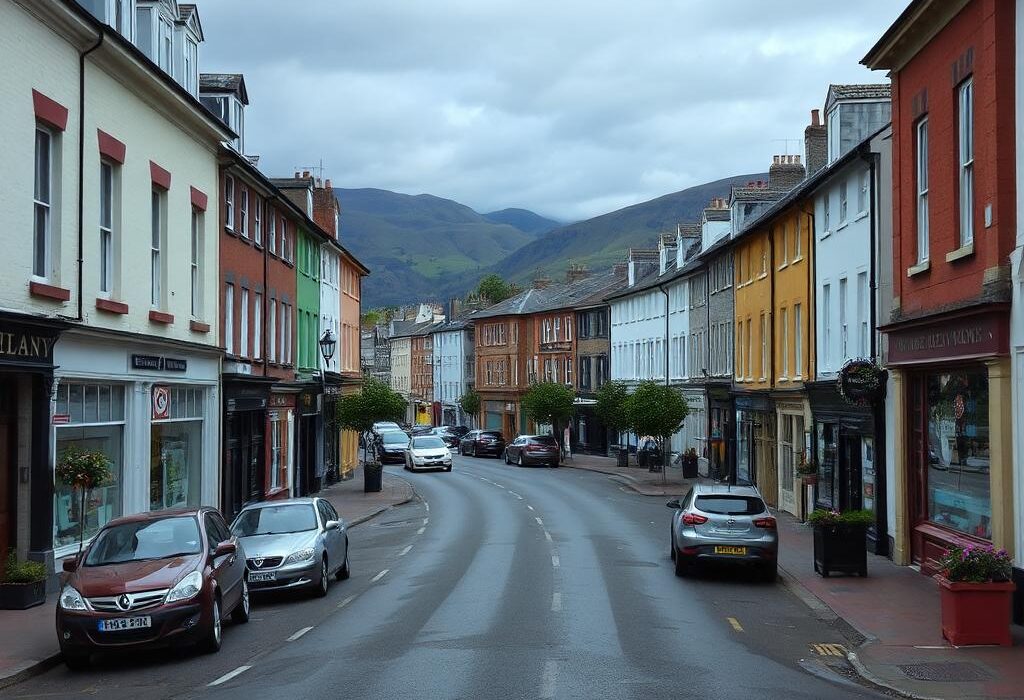
Retail closures across Scotland continue to rise this year, with several areas experiencing significant declines that threaten the vitality of local communities. Recent research from branding consultancy Branding by Garden highlights that Scottish towns and regions are among the hardest hit in the UK, with multiple high streets recording high rates of store closures per 100,000 residents.
In particular, areas such as Argyll and Bute, Dumfries and Galloway, and Falkirk have seen several shops shuttered, including well-known chains like Poundland, Homebase, and NatWest. For example, Argyll and Bute has experienced a closure rate of over 3 stores per 100,000 residents, while Dumfries and Galloway has lost four significant shops, including Bank of Scotland branches.
The data reveals a stark reality: most of the hardest-hit high streets across the UK are in Scotland, accounting for about 70% of the top ten locations with the highest store closures. These include the Scottish Borders, Inverclyde, and West Dunbartonshire, all facing closures at rates exceeding 2.5 per 100,000 residents.
The trend reflects ongoing challenges for the retail sector—skyrocketing operational costs, reduced footfall, and the shift of consumer spending towards online platforms. As a consequence, many high streets are struggling to maintain their once-thriving communities.
Joseph Hedges, CEO of Branding by Garden, emphasizes the importance of resilient high streets for local communities.
He states, “High streets should be more than just a place to shop – they should be a staple of local communities and a reflection of how supportive residents are of their local environment. Paying attention to these closures matters because they indicate the challenges that both local business owners and residents are facing. Although the research doesn’t consider store openings that may have occurred after closures, it’s undeniable that a shuttered or bare shopfront affects local morale and visitor perception. In order to successfully promote a growth strategy for small businesses and established chains, high streets need to address why so many closures are taking place. Rising operational costs like rent, wages, and bills are crippling shop owners, compounded by a consistent decline in footfall as consumers shop online. It’s essential that local authorities prioritize upscaling the appeal of high streets, ideally by minimizing vacant units and providing a good mix of retail, hospitality, and community-based services so that there’s a multitude of reasons for locals to visit.”
These insights underscore the urgent need for strategic intervention to support Scottish high streets. Without such efforts, the risk remains that once-bustling community hubs could fade into history, diminishing the social and economic fabric of towns across Scotland.
—
Methodology: Data was collected via timeout.com to collect each confirmed store closure across 95 areas recorded before 13th August. This was scaled against local populations to allow for accurate comparison based on the closure rate per 100k residents. The SME Insights Report referenced is visible here.