The Decisions That Matter Most After a Car Collision
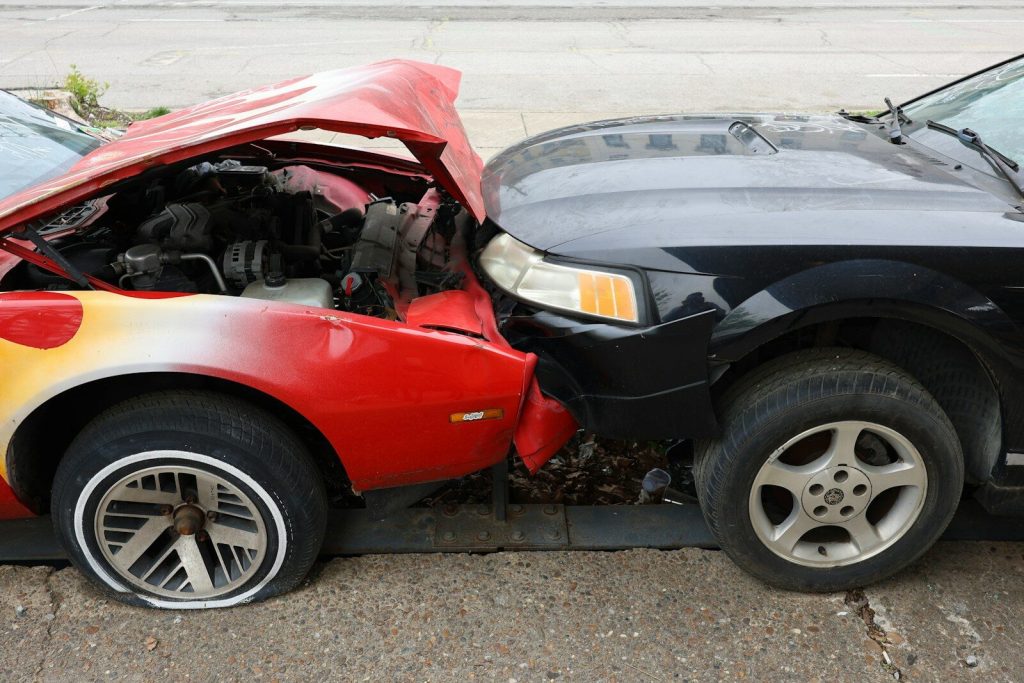
Whether you’re doing the school run as usual or taking a longer drive, a split second can change things completely. A car collision can happen at any time and for any number of reasons. Whether the impact is minor or more serious, the decisions you make in the minutes and days that follow can affect your safety and finances.
It’s natural that you feel overwhelmed, even if you have a small bump on a road you know well. But knowing the steps to take can make all the difference.
Prioritising safety immediately after an accident
Keeping yourself and those around you safe is your number one priority. Take the following steps:
- Switch on your hazard warning lights right away to alert oncoming traffic.
- Switch off your engine to reduce fire risk.
- Check yourself and your passengers for injuries before assessing anyone else involved in the crash.
- If anyone needs urgent medical attention, or if the vehicles block a carriageway, call 999 right away. You should also contact the police if the other driver refuses to share their details or leaves the scene.
- Move everyone to a safe location, such as behind a motorway crash barrier or to an embankment at the side of the road, while you wait for help to arrive.
Gathering evidence and important information
Once you know everyone is safe, you need to record the incident. Use your smartphone to take photographs of the damage to your car, along with any road markings. Also, try to take pictures that capture the weather conditions and any relevant traffic signs.
Exchange names, addresses, phone numbers, and insurance details with every driver involved, taking care to note down registration plates and vehicle makes. If there are any nearby witnesses, ask them for their contact details too, as their account of what happened might resolve any issues later down the line.
If you’re up to it, try to write down a brief note about what happened while the details are still fresh in your mind. This helps to process your insurance claim accurately.
Understanding the options available
Depending on the severity of the damage and any physical injuries you sustained, you might need to arrange alternative transportation or get medical treatment. You might also need to arrange professional vehicle repairs.
Tell your insurer as soon as you can about what happened, regardless of who caused the incident. This means you’re following the policy terms.
Before you take any offers from your insurer, you might want to get legal advice first. You might find when you speak to a car accident solicitor that you can make a compensation claim. Taking time to assess every available path allows you to choose the route that best protects your long-term wellbeing.
Avoiding common mistakes
You’ve had a shock and this can lead you to say and do things that could be a mistake later. One of the main ones is apologising. Never apologise or accept blame at the scene, even out of simple politeness, because heat-of-the-moment statements can sound like admissions of liability to insurers. Keep your conversations with the other party brief, polite, and strictly factual.
Also, failing to report the collision to the police within 24 hours when required by law can lead to severe penalties and invalidated insurance claims. Set up a folder containing every email, medical note, and repair receipt so you have complete control over your records.
Every proactive choice you make in the hours and days following a crash helps you move forward.