A Practical Roadmap for Understanding Financial Markets
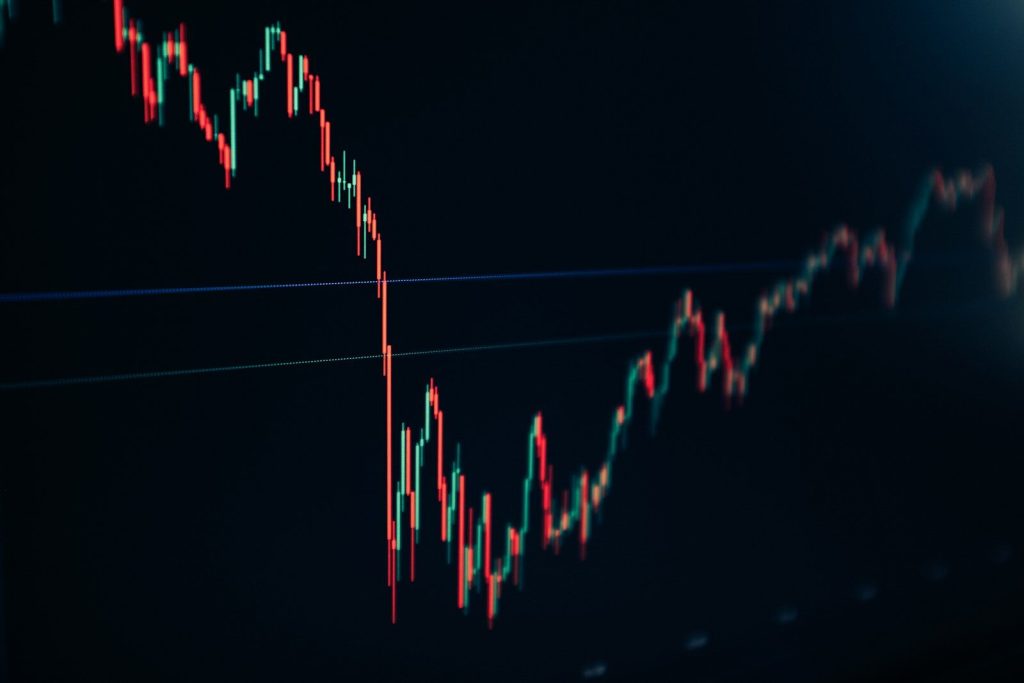
If you’re going to embark on a career in trading, or even enjoy it as a pastime or side-hustle, then you’ll want to ensure that you’re getting off to a good start, and that you understand the path forward. This is an area of specialisation in which missteps can be costly, and so it’s important to manage the risk that you’re facing along the way.
Starting With the Basics
To begin with, you’ll need to understand what a market is and how it works. Prices act as signals between traders, allowing the system as a whole to assign a value to a given commodity based on the best knowledge of the people closest to them.
Of course, markets are as fallible as the human being who work within them. Sometimes, through malice or accident, prices can fluctuate wildly, before ‘correcting’ to a given level. If you’re on the wrong side of one of these fluctuations, then you could end up losing out.
As such, it’s important to walk before you run. Build your knowledge gradually, and make yourself aware of the common pitfalls early on.
Learning How Different Markets Operate
Different asset classes operate under different rules. For example, some assets are perishable, which gives the holder an extra incentive to trade them quickly. Others, like gold, will last forever, which is what makes them popular as a store of value. When you know about different markets and how they work, you’ll be able to spread your investment portfolio across many different classes of asset, without worrying about missing out. This is what’s known as diversification. It’s a fundamental way of managing risk.
Building Knowledge Through Structured Learning
The way that you learn matters, too. If you’re delving into many different unreliable sources of information, like videos on social media, then you might find that you end up with gaps in your knowledge base. The best way to learn trading online is usually with the help of a structured course, and a figure who can provide feedback along the way.
Applying Knowledge in a Practical Way
If you don’t know any of the theory behind how markets work, then you might find yourself regularly resorting to guesswork. At the same time, if you’ve never put the theory into practice, it can be tough to work out what to do next when you come to trade. Practical experience and theoretical knowledge therefore complement one another.
Creating a Long-Term Learning Plan
You can get to grips with the basics of trading very quickly. But if you’re to reach your long-term potential as a trader, and maximise your returns over months and years, you’ll need to see financial education as an ongoing project, rather than a quick fix.