Scots report highest anxiety levels in UK
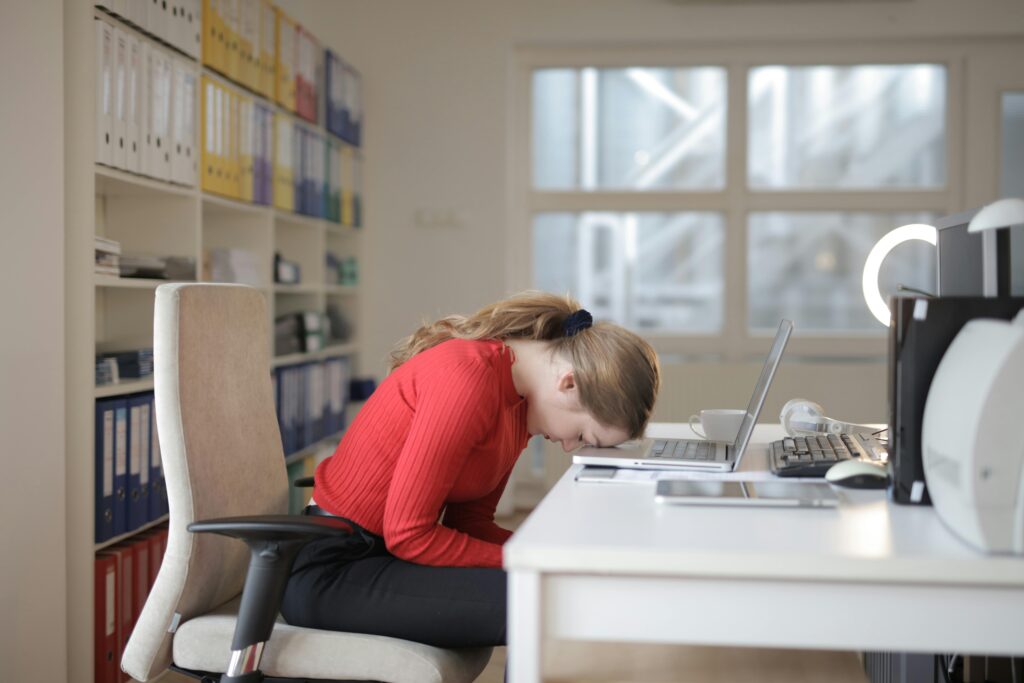
New research suggests people in Scotland are feeling more anxious and stressed than anywhere else in Britain – even as many say they are hopeful about the year ahead.
The study, which surveyed more than 2,300 adults across the UK, found that 34.3% of people in Scotland say they feel anxious about the next 12 months, the highest proportion recorded in any UK region. That’s significantly higher than the UK average of 26.6%.
Stress levels tell a similar story. Almost a quarter of Scots (24.3%) say they feel stressed, again the highest figure anywhere in Britain and well above the national average of 16.4%.
But the findings also reveal a striking emotional contradiction. Despite these pressures, many people north of the border are still looking ahead with optimism.
Almost half of Scots (46.7%) say they feel hopeful about the next year, slightly above the UK average of 44.7%, while 35.5% describe themselves as optimistic, broadly in line with the national figure of 36.1%.
Vicky Walker, wellbeing expert and Chief People Officer at Westfield Health, says the results show a country balancing genuine hope for improvement with very real day-to-day pressures.
“This isn’t a picture of a nation without optimism,” she explains. “People in Scotland are looking ahead with hope, including in their working lives. But anxiety and stress levels are higher here than anywhere else in Britain.
“When hope and optimism sit alongside lower confidence and higher strain, it often signals people wanting improvement while still feeling significant pressure in their everyday lives.”
Confidence about the future appears to be more fragile. Just 19.5% of people in Scotland say they feel confident about the year ahead, compared with 26.4% across the UK.
Cost of living still weighing heavily
For many people, financial pressure remains a major source of worry.
The research found almost half of Scots (49.1%) say inflation is one of their biggest concerns for the year ahead, slightly higher than the national average of 46.3%.
And more than one in five (21.9%) say the cost of living has had a major impact on their wellbeing over the past 12 months.
Walker says these kinds of financial pressures often create a constant background strain that can affect both mental health and everyday decision-making.
“Financial uncertainty has a powerful psychological impact. When people feel unsure about whether their income will keep up with rising costs, it creates a sense of instability that can feed into anxiety and stress over time.
“Even people who are managing day to day may still feel that underlying pressure about what might happen next.”
Healthcare access is another concern for many Scots.
More than four in ten people in Scotland (44.4%) say they worry they won’t be able to access NHS care when they need it, slightly above the UK average of 41.8%. A third (33.7%) say they have spent time on an NHS waiting list in the past year.
Mental health trends heading in the wrong direction
The research also highlights worrying trends when it comes to mental wellbeing.
Fewer than three in ten Scots (28.4%) say their mental health has improved over the past 12 months, significantly lower than the UK average of 38.8%.
Meanwhile, 21.3% say their mental health has worsened during the past year.
Looking ahead, there is some optimism – but Scotland again lags behind the national picture. Around 42% expect their mental health to improve in the next 12 months, compared with 47% across the UK.
Workplace pressure adding to the strain
Work appears to be another major factor behind rising stress levels.
Almost a quarter of Scottish respondents (24.9%) say work-related stress has affected their mental health over the past year. Others say they are struggling with anxiety about the future (23.7%) or burnout (21.9%).
Overall, two thirds of people in Scotland (66.9%) say they experience burnout at least occasionally, broadly in line with the UK average.
However, 9.5% say they feel burnt out all the time, slightly higher than the national figure of 7.7%.
The impact is also being felt at work. Nearly half of workers (47.3%) say mental health challenges have affected their productivity during the past year.
For some, the pressure is prompting thoughts of a fresh start.
More than a third of workers in Scotland (35.5%) say they are actively looking for, or considering, a new job within the next year.
Walker says conversations about support can be an important first step for those who are struggling.
“Scotland’s workforce is hoping for better, and that matters. But hope needs something to lean on,” she says.
“If you’re feeling the pressure, it’s worth reaching out – whether that’s to friends, family, colleagues or your employer. Many people don’t realise what support is already available to them, from mental health resources and flexible working to access to healthcare.
“Starting that conversation can make a real difference.”
And while the research paints a picture of a nation under strain, it also suggests something else: that many people in Scotland still believe the year ahead could bring positive change.