How Workplace Health and Safety Has Changed Over the Generations
Health and Safety is a relatively modern fixation. When you tour the cathedrals, temples, and ancient monuments of the world, you can be reasonably sure that one or two people suffered injury (or worse) during the more challenging phases of the project.
Fortunately, in the modern era, things have improved considerably. And we don’t have to look back centuries to see this improvement. According to data collated by the Health and Safety Executive, 495 deaths in work-related incidents were reported in 1981. The figure for 2024 was around a quarter of that.
How Workplace Safety Standards Have Evolved
To what can we credit this remarkable trend? There are a number of factors to consider, but among the most important are the cultural and legal ones. We now expect employers to protect their employees, and we have mechanisms in place to ensure that they do.
Procedural changes, like the adoption of effective risk assessments, can make a big difference, too.
Learning from Historic Workplace Risks
The past was rife with hazards. Some of these were obvious, while others were more insidious. You might think of the conditions in a Victorian mill, which often saw labourers working alongside exposed, lethal machinery.
The challenges faced by our ancestors were often thought to be inescapable, or impossible to control or predict. But, over time, we’ve come to recognise that many of them can be easily managed through the right rules and procedures.
Why Some Workplace Health Problems Can Emerge Years Later
Perhaps the most dangerous workplace hazards are the ones whose effects are not immediately apparent. The most notorious example of this is asbestos, which in the middle of the 20th century was heralded as a wonderful, space-age material, and recklessly installed into countless buildings throughout the world.
Asbestos fibres, once inhaled, can drive a variety of lethal cancers. It’s for this reason that asbestos and workplace illness solicitors so often work alongside one another. ## Why Workplace Health Awareness Still Matters Today
Of course, just because the world of work has made remarkable progress doesn’t mean that we should be complacent. For one thing, there may be more advances we can make, and more injuries and illnesses we can prevent. For another, there’s no guarantee that the protections established by generations of workers can’t be undone if the required training is not provided, and the cultural changes we’ve talked about aren’t safeguarded.
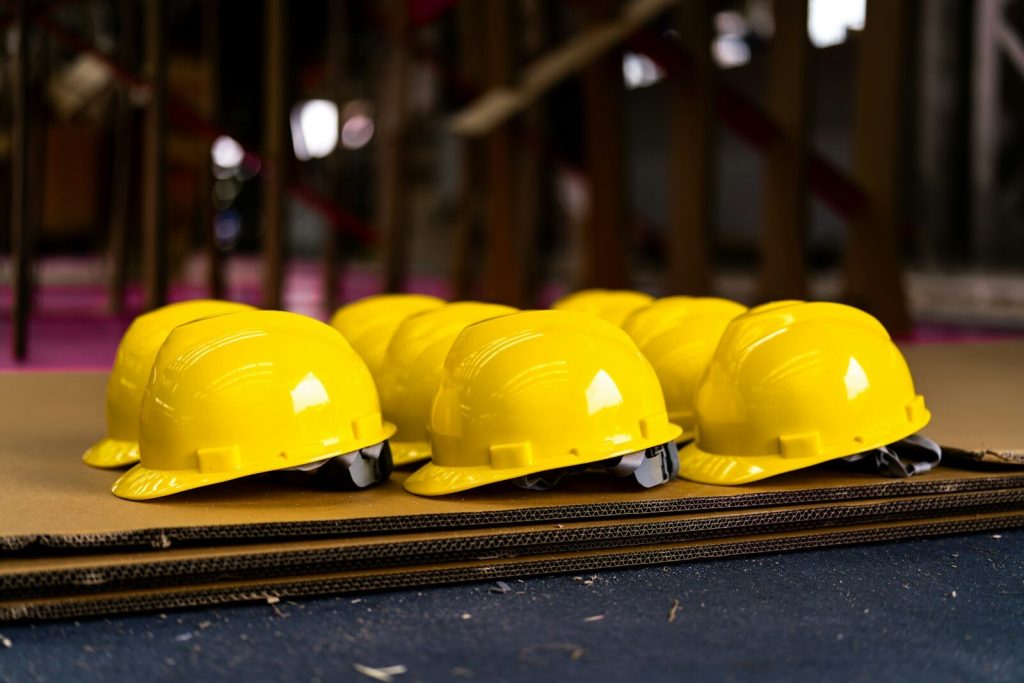
A safe workplace might stem from the provision of the right PPE, or a schedule for the maintenance of potentially dangerous equipment, or a simple attitude of vigilance, shared by every employee in a given location. With the right changes, it might be that your workplace can be made safer, too!