Beyond the Logo: Choosing Company Merchandise Staff Will Actually Use
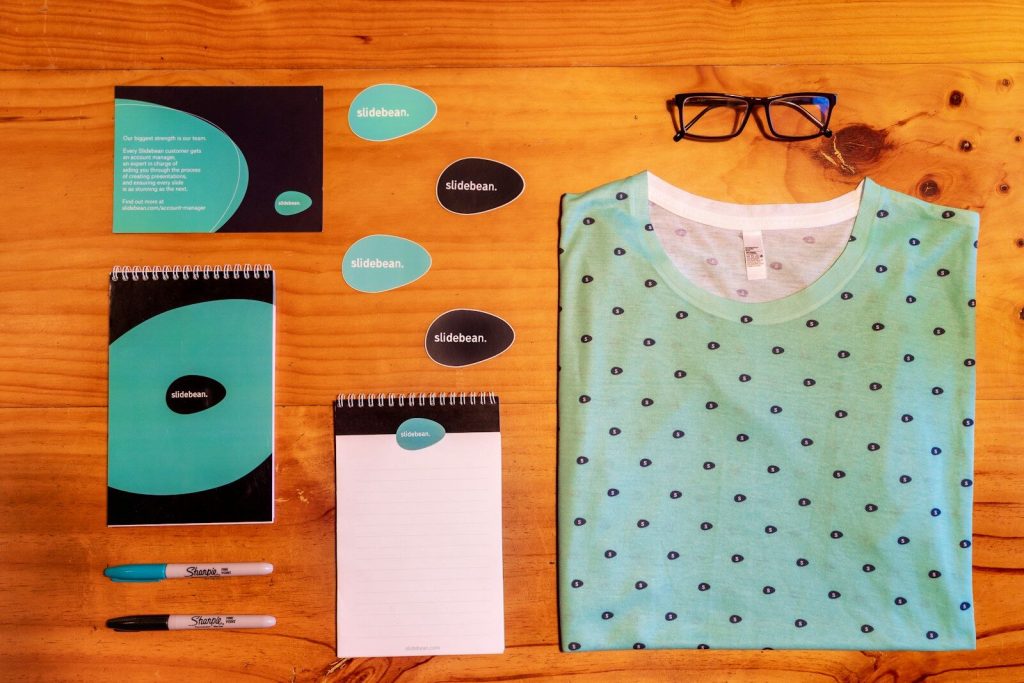
Company merchandise can help employees feel connected to an organisation, welcome new starters or mark a shared achievement. However, even a generous budget can be wasted on products that are uncomfortable, impractical or destined for a cupboard.
The best merchandise earns its place in someone’s day. Before ordering, focus on what staff need, how they work and whether the item offers genuine value beyond displaying the company logo.
Ask Staff What They Want
The simplest way to choose useful merchandise is to involve the people receiving it. Run a short survey with a focused selection of options, or ask employee representatives to gather ideas from different teams.
Include office-based, remote, hybrid and frontline colleagues. Their working environments may lead to very different preferences. A desk accessory could be useful for one group but irrelevant to someone who spends most of the day travelling.
Focus on Everyday Use
Look for items that solve a small, regular problem. Notebooks, charging cables, insulated bottles, umbrellas and practical bags can work when they suit the employee’s routine.
Within a shared workplace, custom printed mugs can be used around the office, giving staff a reusable option for tea or coffee while adding colour to kitchens and desks. For remote employees, the same item could form part of a welcome pack delivered to their home.
Think About Choice and Inclusion
One product will not suit everyone. Clothing creates questions around sizing, fit, fabric and personal style, while food and drink may involve allergies, dietary requirements or religious considerations.
Offer a small choice where possible, such as a mug or bottle, different garment styles or several colours. The CIPD’s overview of effective workplace reward highlights the importance of meeting both employee and organisational needs rather than assuming everyone values the same things.
Choice does not need to become complicated. Two or three useful options are often better than a catalogue that is difficult to manage.
Prioritise Quality Over Quantity
A product carrying your brand reflects the organisation, even when it is intended only for staff. A leaking bottle, scratchy T-shirt or pen that stops working quickly can create frustration rather than goodwill.
Spend the budget on fewer reliable items rather than filling a pack with disposable extras. Eventbrite’s guidance on choosing event giveaway products people will keep similarly emphasises useful, good-quality items that fit naturally into daily life.
Keep the Branding Wearable and Usable
Not every product needs an oversized logo. Staff may be more willing to wear or carry something with a subtle mark, appealing illustration or design connected to company culture.
Use brand colours thoughtfully and make sure printed text is clear. If an item will be used outside work, ask whether the design feels attractive enough for employees to choose voluntarily.
Consider Lifespan and Waste
Think about materials, durability, packaging and what happens when the product is no longer needed. Avoid unnecessary plastic wrapping and novelty items with little practical purpose.
Order realistic quantities rather than estimating generously. A smaller first run allows you to check quality, gather feedback and learn which options people actually use.
Measure Success by Use
Do not judge the merchandise by how impressive it looks when distributed. Notice whether it appears on desks, travels to events or becomes part of everyday routines. Ask staff what worked and what they would change.
Useful merchandise shows that the organisation has paid attention. By involving employees, offering sensible choices and prioritising quality, you can create branded products that feel like thoughtful additions rather than unwanted advertising.