Highland Tourism Business Warns New ‘Second Home’ Tax Could Stifle Rural Innovation
Ullapool holiday let owners urge government to rethink law they say unfairly targets sustainable tourism ventures
A Highland tourism entrepreneur is urging UK lawmakers to reconsider new tax rules set to come into force this weekend, warning they risk choking off rural innovation and investment in Scotland’s visitor economy.
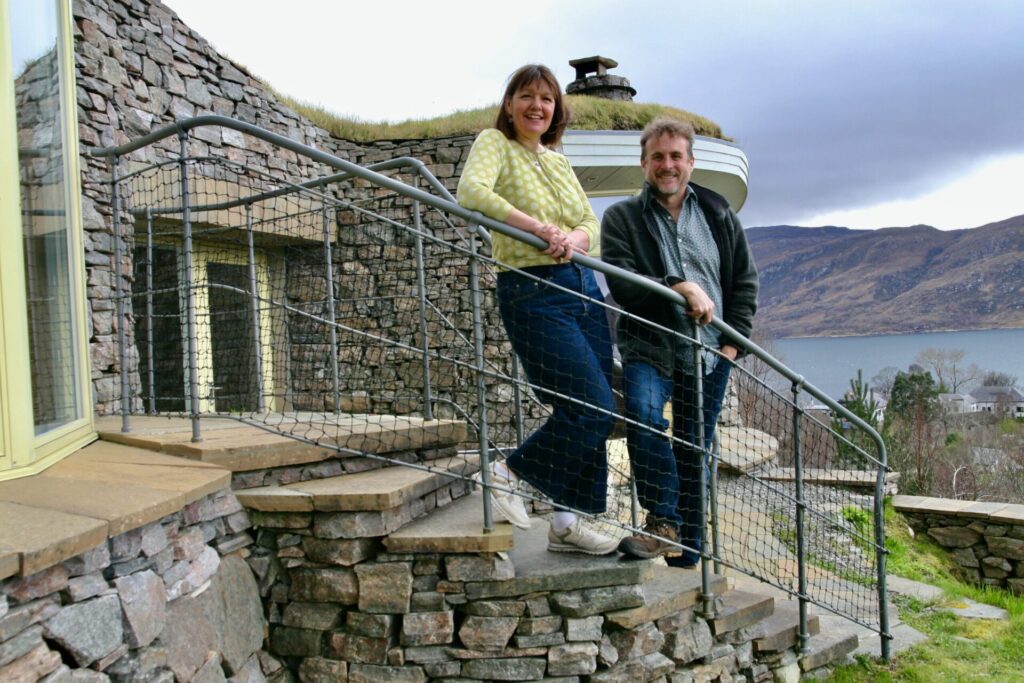
Gavin Anderson, who runs The Stonehouses — a pair of award-winning, eco-friendly holiday homes in Ullapool — says that from April 6th, his family-run business will be classified as a second home under new UK tax laws, despite functioning as a full-time enterprise for over 15 years.
The rules, introduced by UK Chancellor Jeremy Hunt, aim to curb the unchecked spread of short-term lets like Airbnb in tourist hotspots. However, Anderson argues the law uses a “blunt tool” that fails to distinguish between speculative property investment and genuine businesses built to serve Scotland’s growing tourism sector.
“As of this week, HMRC will treat everything that we’ve done as a family as investment income, not a business — even though that’s exactly what it is,” Anderson told News from Scotland. “We’ve created jobs, raised our children here, and helped shape a local tourism offering that’s both sustainable and rooted in the community.”
Built with local tradespeople and designed by a Stornoway architect, The Stonehouses were constructed during the financial crash — an ambitious £1 million investment intended to support both family livelihood and the wider Ullapool economy. The eco-lodges feature turfed roofs and panoramic views over Loch Broom, and are marketed as a premium Highland experience.
Under the new rules, rural businesses operating Furnished Holiday Lets will no longer receive the tax reliefs previously available — including the ability to deduct mortgage interest and claim certain capital gains allowances. Instead, these businesses will be taxed as if they were second homes, regardless of their operational model.
“This change doesn’t just affect us,” said Anderson. “It affects farmers converting old barns, families starting small holiday lets, and anyone taking a long-term approach to developing Scottish tourism in a responsible way.”
While Anderson previously supported the Scottish Government’s short-term let licensing scheme, which gives local authorities more control over housing availability, he believes the UK-wide tax changes go too far and risk collapsing a segment of rural enterprise that has thrived through innovation.
“Yes, there are examples of people buying up flats in cities to rent them out via Airbnb — that’s not the same as what we do. But we’re all being treated the same under this legislation,” he said.
Plans to expand the Andersons’ business and hire a manager have now been shelved due to the looming tax changes.
“If this law had been in place when we first built The Stonehouses, we simply wouldn’t have been able to make it work. The financials wouldn’t add up. And that’s what worries me — that future innovation in rural tourism will be frozen out.”
Anderson is now calling for greater pressure on HMRC and UK regulators to introduce a nuanced system that recognises the difference between full-time tourism businesses and casual second home ownership.
“There needs to be differentiation,” he stressed. “This sector is being painted with one brush, but not all short-term lets are the same. Without change, this policy will discourage precisely the kind of sustainable, community-rooted tourism Scotland needs.”