How builders can balance function with aesthetic within homes
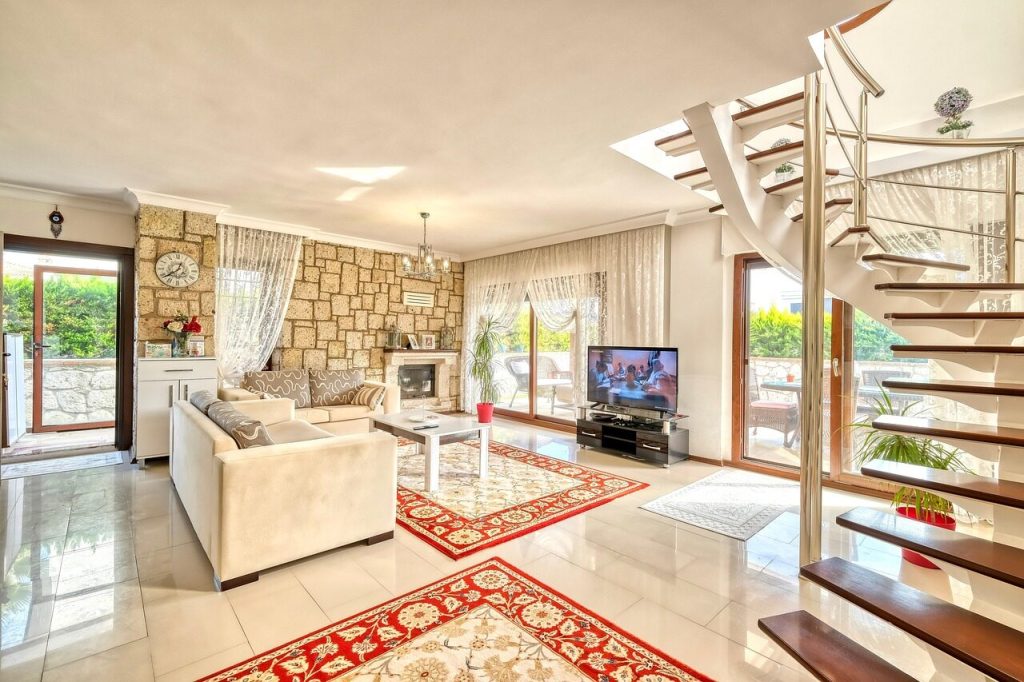
A successful home renovation needs to do more than improve the appearance of a property. While attractive finishes and carefully chosen materials can transform a room, your home also needs to work for the people living in it. From finding practical storage solutions to improving natural light, every design decision should serve a purpose without compromising the overall look. Builders play an important role in achieving this balance, helping you turn design ideas into practical spaces that suit your lifestyle. By considering appearance and everyday usability from the beginning, you can create a home that feels comfortable, looks cohesive and continues to meet your needs over time.
Start with a layout that makes everyday living easier
Before choosing paint colours or flooring, consider how you use each room. A beautiful kitchen, for example, will quickly become frustrating if you have limited preparation space or struggle to move between the sink, hob and fridge.
An experienced builder can help you assess the existing layout and identify changes that improve how you move around your home. Removing a non-structural partition could open up a cramped kitchen and dining area, while repositioning a doorway might create space for additional storage.
Think about your household’s daily routines, too. If you have young children, an open-plan living area could make it easier to keep an eye on them while preparing meals.
Make energy efficiency part of the aesthetic
Energy-saving improvements do not need to detract from your home’s appearance. In fact, many modern solutions combine attractive design with practical performance. For example, well-fitted double glazing can reduce heat loss while allowing plenty of natural light into your rooms. Similarly, insulated wall and roof systems can improve indoor comfort without changing the finished appearance of your interiors. Your builder can also help you select efficient lighting that complements the room’s design. Recessed LED spotlights work particularly well in contemporary kitchens, while carefully positioned wall lights can create a warmer atmosphere in living spaces.
Use architectural details to combine practicality and character
Architectural features can give your home personality while serving a useful purpose. Skirting boards, ceiling details and decorative coving can create a more polished finish, helping different elements of a room work together visually. You could also use built-in shelving to make the most of awkward alcoves or incorporate window seats with hidden storage. These additions provide useful places to keep everyday belongings without introducing bulky furniture that makes a room feel smaller.
Design the practical necessities in, rather than hiding them later
Good renovation planning accounts for essential features before construction begins. Electrical sockets, plumbing connections, ventilation and heating controls all influence how well a finished room functions. Discuss their positions with your builder early in the process. For instance, placing sockets near kitchen work surfaces makes everyday tasks easier, while planning adequate ventilation helps prevent condensation in bathrooms. When you consider these practical details alongside materials, finishes and furniture, you avoid expensive alterations later. The result is a home where thoughtful design supports everyday living without compromising its visual appeal.