How Scotland’s ferry-dependent communities plan around transport disruption
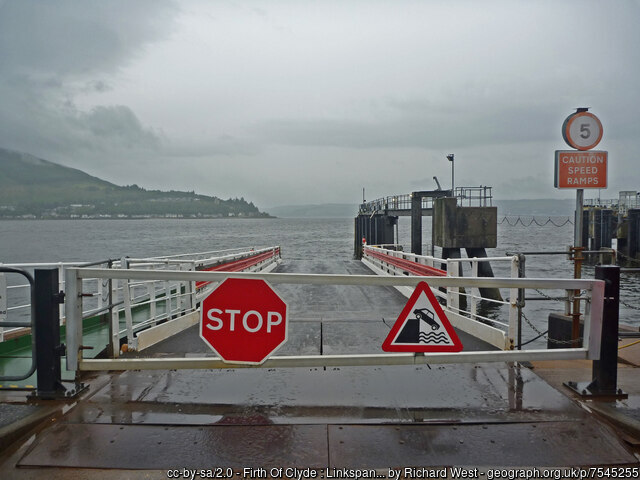
For many of Scotland’s island and coastal communities, ferries are part of the everyday transport network, connecting people with work, services and the mainland. Routes vary considerably, from busy crossings on the Clyde to longer links serving the Hebrides and Northern Isles.
Weather, technical problems and operational changes can sometimes alter those journeys. For people who depend on them, the practical question is often how much flexibility can be built into the rest of the day.
Planning for timetable changes
VisitScotland advises passengers to confirm departure times, check-in requirements and service status with their operator before travelling, and to allow sufficient time between connections.
That can mean choosing an earlier sailing or using another route where a practical alternative exists. Options vary significantly, however. A traveller on a frequent Clyde crossing may have more flexibility than someone using a less frequent island service, and seasonal timetables also affect what’s realistic.
How disruption reaches beyond the harbour
A change to a service can affect more than the crossing itself. Work journeys, healthcare appointments, deliveries and visits by tradespeople might all depend on reaching or leaving an island at a particular time. Businesses may also need to adjust when staff, customers or supplies are delayed.
The Ullapool-Stornoway route provides a recent example. In November 2026, CalMac confirmed that issues arising during MV Loch Seaforth’s annual overhaul would delay its return by around two weeks. MV Isle of Lewis continued on the route under an amended timetable.
Building flexibility into essential journeys
For an important journey, preparation starts with checking the operator’s latest updates and considering whether accommodation, onward travel tickets or appointments can be changed if needed. Where possible, allowing more time between separate stages of travel reduces the consequences of delays.
Drivers have extra practical considerations. Before setting out, it’s smart to check vehicle condition and whether car insurance provides the cover they need for the wider journey.
Unfortunately, there’s not always a straightforward Plan B. Another ferry route might involve a major detour, and flights won’t suit every journey or destination.
How communities and operators share information
Reliable information is crucial when conditions change. Operator alerts and online service updates help passengers make decisions before reaching the harbour, while local businesses and connecting transport providers can help news travel further.
The Ullapool-Stornoway changes show the value of that communication, with affected passengers contacted directly and given the opportunity to amend bookings. More broadly, Transport Scotland highlights updates from services including Traffic Scotland as key to helping people plan during periods of difficult weather.
Disruption can’t always be avoided, but timely information and coordination between different forms of transport allow local communities and visitors more room to adjust.